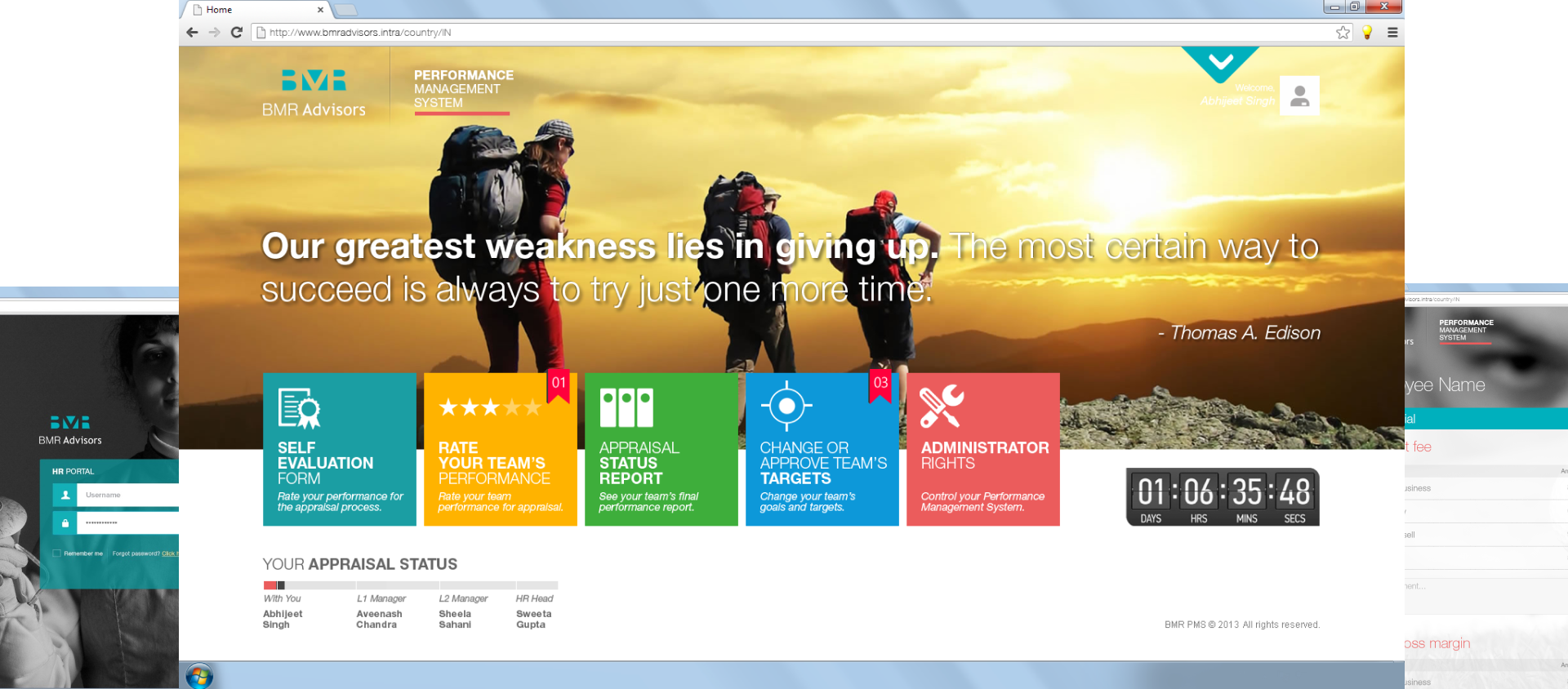
Client
BMR Advisors, Gurgaon, Haryana, IndiaAgency
Posh Technologies Inc.Roles Undertaken
User Centred Design Process, Windows 8.0 Application, Branding Guidelines and Visual DesignsDeliverables
Wireframes, Research Documents, Visual Designs for Desktop & Branding InfoManagement Framework
Agile Methodology / Lean UXSoftware Used
Adobe Creative Suites, JIRA, and MS Powerpoint for Interactive Prototypes.
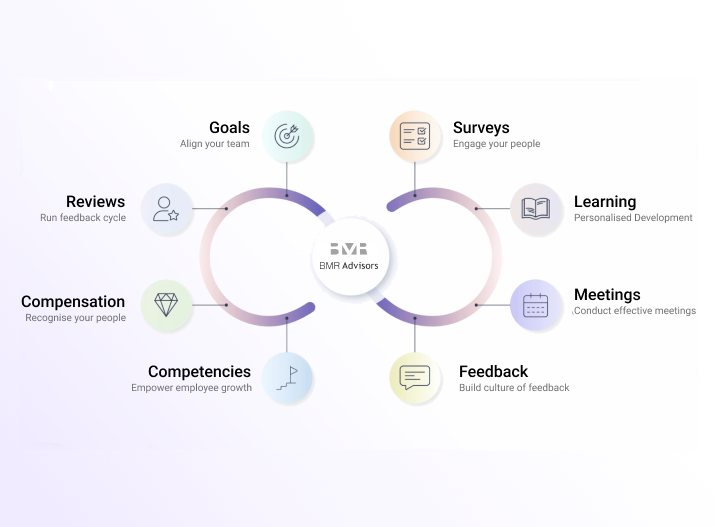
so we searched for something nimbler, real-time, and more individualised something squarely focused on fuelling performance in the future rather than assessing it in the past. The new system will have no cascading objectives, no once-a-year reviews, and no 360-degree-feedback tools. Its hallmarks should speed, agility, one-size-fits-one, and constant learning, all underpinned by a new way of collecting reliable performance data.
The existing performance evaluation process was largely manual, involving spreadsheets and email exchanges, which was time-consuming and error-prone.
Employees and managers struggled to provide and receive timely feedback, leading to delays in recognizing performance issues or achievements.
Without a standardised system, evaluation criteria varied across departments, leading to perceptions of unfairness and inconsistencies.
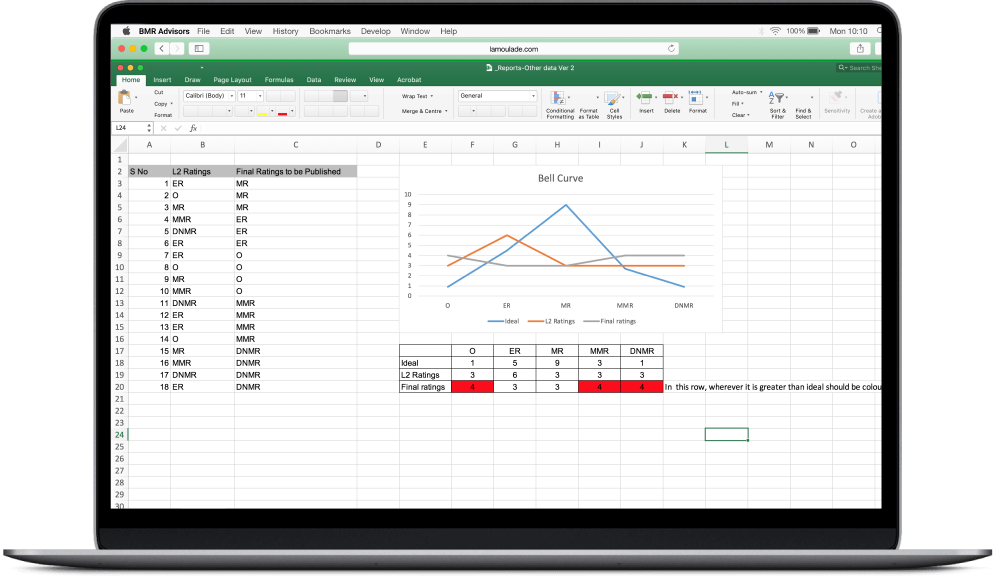
The firm lacked robust analytics to track and analyze employee performance trends over time, making it difficult to identify high performers or areas needing improvement.
it emphasises a close, user-driven feedback loop, we can quickly validate new feature ideas,
ensuring they meet user needs before any production code is written.
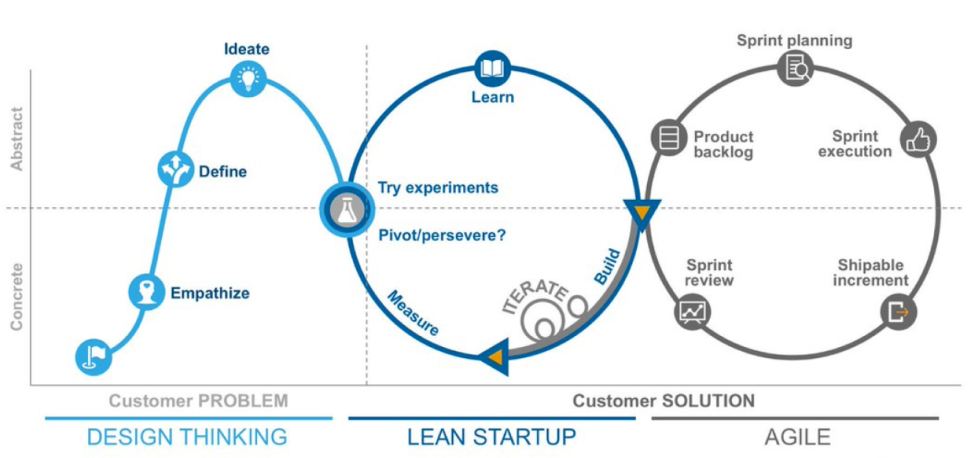
With a clear problem definition, we moved on to ideation, where we brainstormed potential solutions to address the identified issues.
Cross-functional teams, including HR, IT, and senior management, participated in workshops to generate ideas for the new system.
We developed conceptual models of how the new system might function, focusing on user experience, efficiency, and scalability.
The ideas were evaluated and prioritized based on their feasibility, impact, and alignment with BMR Advisors' strategic goals. Key features such as real-time feedback, goal tracking, and robust analytics were identified as top priorities.
Challenges
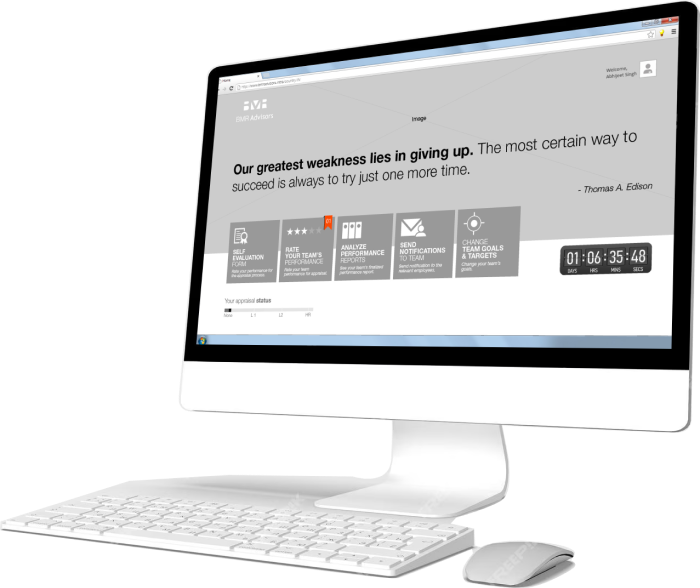
Windows 8.0 brought a new design style that focused on flat, simple layouts with live tiles and touch-friendly interactions. Adapting to this while keeping BMR Advisors' branding and functionality was challenging and required a shift in design thinking. Users were used to traditional desktop interfaces, so moving to this new tile-based design was confusing for some. Making the transition smooth and easy to use was a key challenge. Additionally, integrating the new app with BMR Advisors' older systems was complex, as we had to ensure everything worked well together without sacrificing performance or user experience.
Learning
To create an application that fit perfectly with Windows 8.0, it was important to really understand its design style, like how to use fonts, grids, and live tiles. We also needed to make sure the app was easy for BMR Advisors to use by offering clear guides and help tips. Making sure the app was simple for users to perform common tasks was key to making the new interface easier to learn. To connect the new app with older systems, we focused on building strong APIs and tested thoroughly. It was also important to keep communication clear with stakeholders about what the new system could and couldn’t do, so everyone’s expectations were aligned.